Beyond the Boundary: What India’s World Cup 2025 triumph teaches us about Corporate Leadership
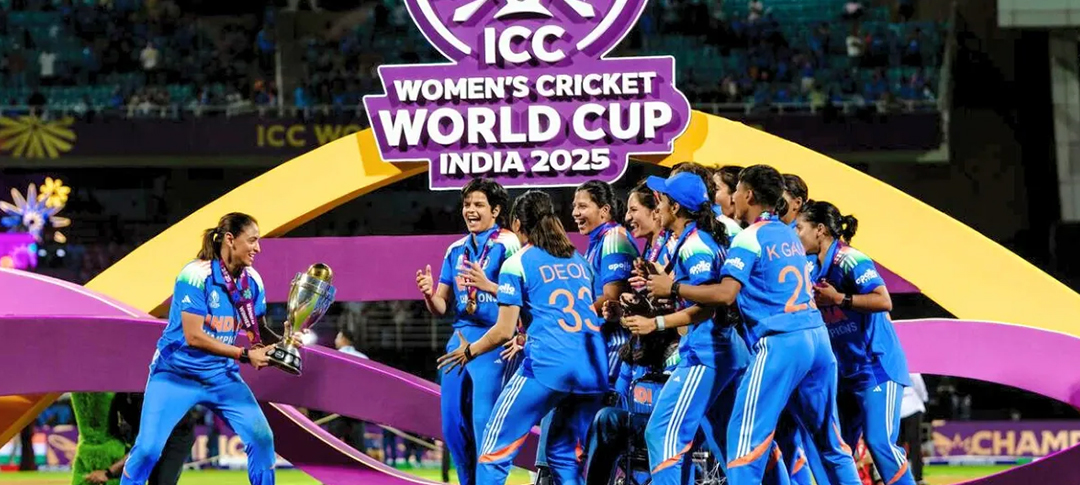
On 2 November 2025, the Indian Women’s Cricket Team etched their names in history, defeating South Africa Women’s Cricket Team by 52 runs in the finals to lift their first ever ICC Women’s #WorldCup trophy.
The finals of the 13th Women’s World Cup wasn’t just a win for Indian cricket; it was a masterclass in the psychology of high-performance leadership in the real world – at the DY Patil Stadium, Navi Mumbai.
When India faced South Africa, the tension wasn’t just in the air—it was a heavy, physical presence and watching Harmanpreet Kaur lead her troop, was not just witnessing a captain in action, but also a fabulous interplay of leadership skills intertwined with emotional intelligence (EQ) on world stage.
On the field, it was interesting to take note of the captain of the India team, Harmanpreet Kaur’s display of self-awareness – first of the four concepts of Emotional Intelligence (Daniel Golemen, 1995) at play. As a player and as a captain, she knew her triggers. This was evident in the critical moments of decision making throughout the game – because she knew the triggers, she chose not to react impulsively – she did what is expected of captain – she PAUSED.
Very often situations like these are often encountered in high-stakes boardrooms. It the ability of a leader to regulate his/her own response to a complex stressful moment prevents “emotional hijacking,” ensuring that it is strategy and not panic that dictates the next move. This is self-management which follows self-awareness, second concept of Daniel Goleman’s theory of Emotional Intelligence.
Social awareness is the third concept – the ability to pick up on the unspoken cues of others—comes into play and honestly speaking, in a game of cricket, a captain is only as good as the pulse she feels in her team. We saw this in how Harmanpreet managed her “X-factor” players like Jemimah Rodrigues, a classy top-order batsman from the Mumbai school of batsmanship, also the team’s “social glue.” By understanding Jemimah’s need for creative freedom on the field, her infectious energy and ability to pivot under pressure, Harmanpreet supported the articulate team-member to anchor the innings with a brilliance that felt both free and disciplined.
The final pillar of Emotional Intelligence (or Emotional Quotient) is relationship management, that marks building bonds that withstand the heat of a crisis. The synergy between the veterans and the young guns like Shafali Verma wasn’t hierarchical; it was relationship management that got the viewers to witness some fine cricket, powered by Shafali Verma’s 87 and Deepti Sharma’s 58-run knock and five-wicket haul that led India amass 298 runs to cement a landmark win.
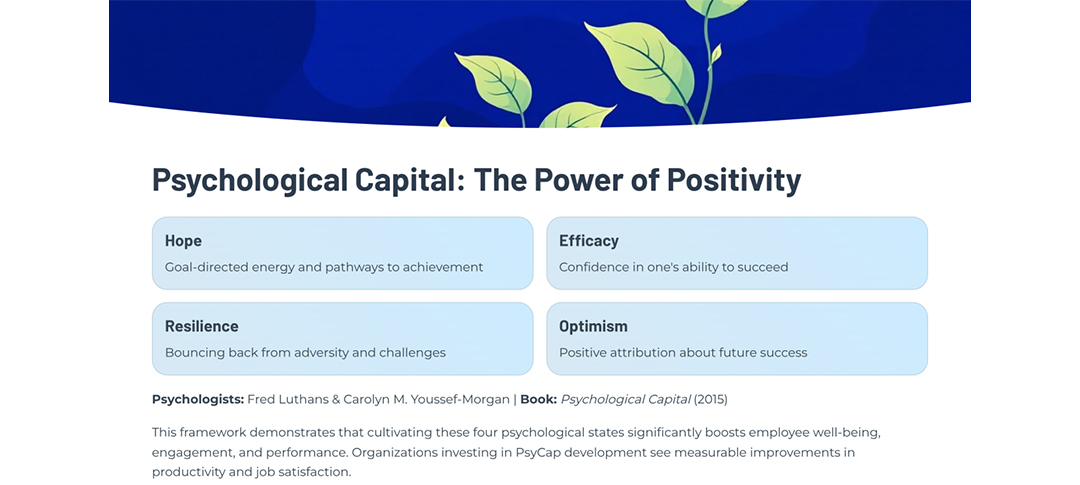
In the corporate world, it is often visible struggles with the ‘generational gap’ but women’s world cup team showed that when relationships are based on mutual respect and not hierarchy, there’s a culture of #CollectiveEfficacy. It was evident that the team didn’t just believe they should win; they fundamentally believed they could.
Besides the concept of Emotional Quotient, the most resonant lesson for the corporate sector from this game of cricket was the role of strong allies – vocal, unwavering support of the men’s cricket team comprising of icons #ViratKohli and #RohitSharma. It was more than just ‘good PR’- it was a demonstration of active sponsorship and allyship. When the men’s team championed the technical nuances of the women’s game, they moved the needle from passive ‘support’ to active ‘advocacy.’
In the corporate sector, many organizations have women over-mentored but under-sponsored. It is here where gender agnostic sponsorship and male allies can support the cause of women leadership, thereby creating more inclusive ecosystems, places where merit is the only currency.
India’s victory proves that technical skill is only half the battle. The real “winning six” was hit long before the match began—in the way the leader (Captain in this game) owned her own emotions, read the room and built a tribe of allies who had her and her team’s back.
Are we leading with the calm of Harmanpreet? Are we being the ‘social glue’ like Jemimah? And most importantly, are we acting as the allies to empower team-members and colleagues to help shatter their own glass ceilings?